Haveli Le Prince — Shekhawati Project
Painted Havelis, Fatehpur, Rajasthan, India (2016–2020)
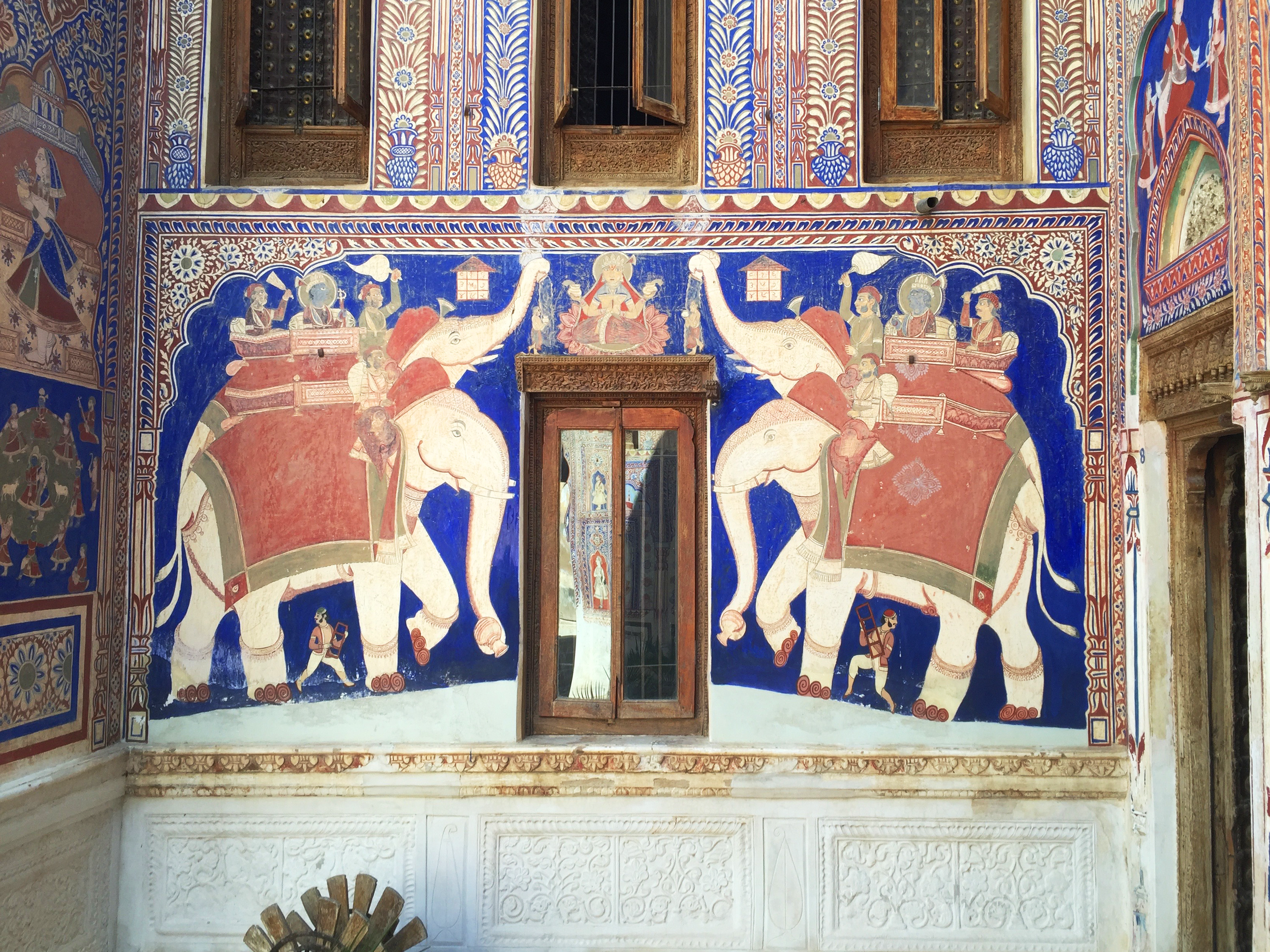
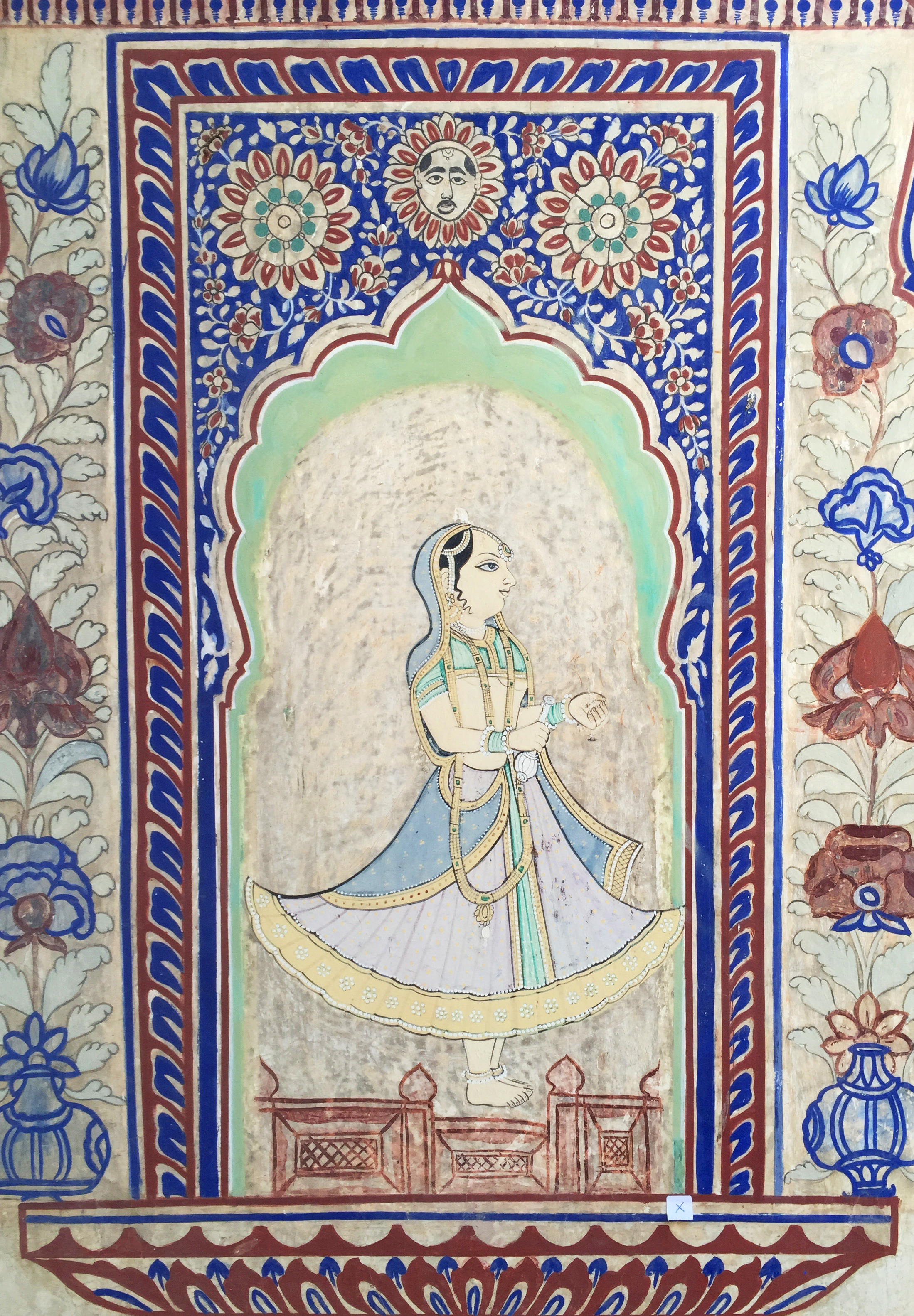
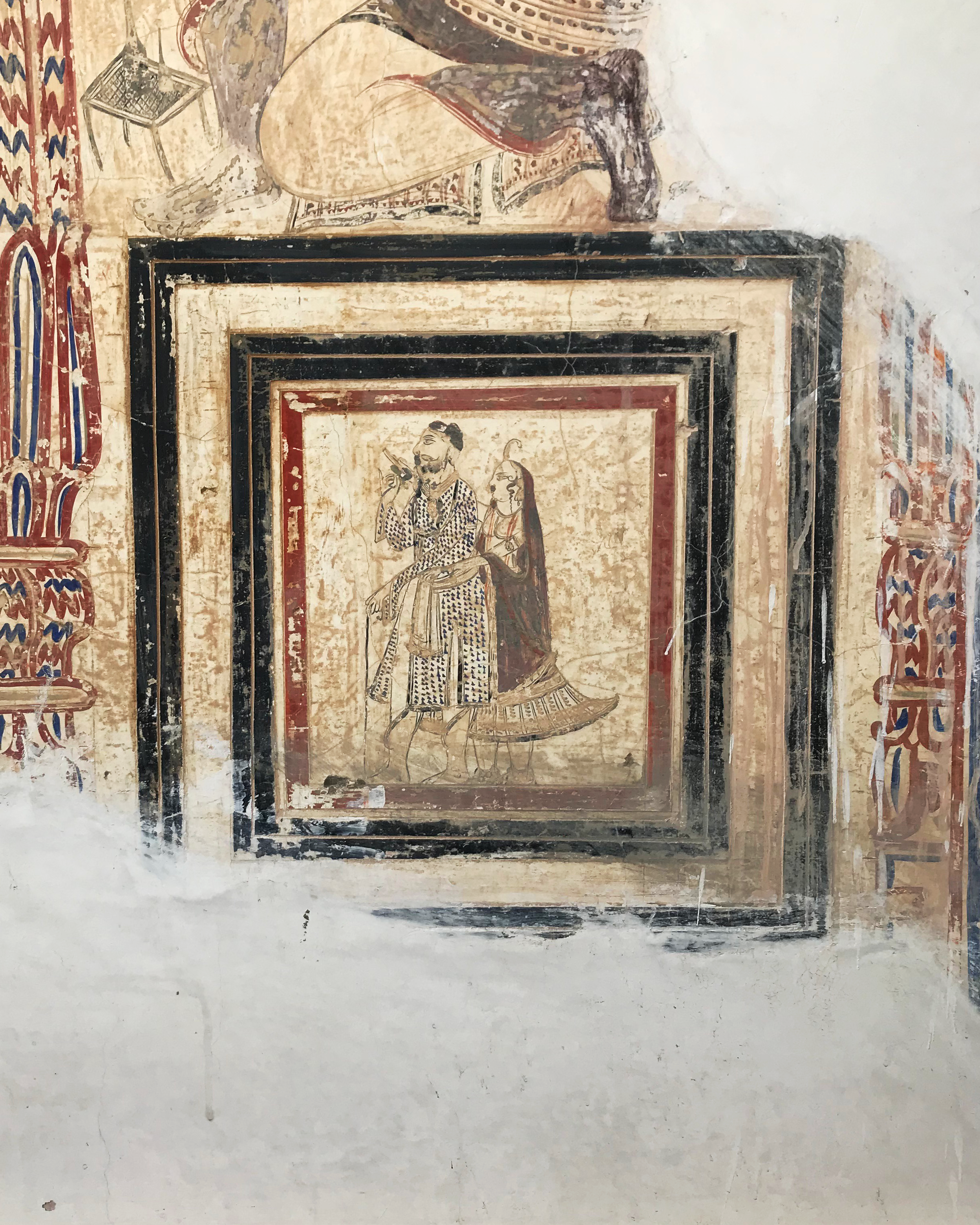
Founded in 2016, the Shekhawati Project aims to preserve the painted havelis of Northern Rajasthan — a unique 19th-century architectural heritage now widely abandoned and deteriorated. Acquired in the 1990s by a French artist with the intention of establishing a Franco-Indian cultural center, significant structural and pictorial restoration was undertaken. The conservation of Haveli Le Prince focused on stabilizing original lime-based frescoes while addressing structural failure and the impact of past invasive restorations.
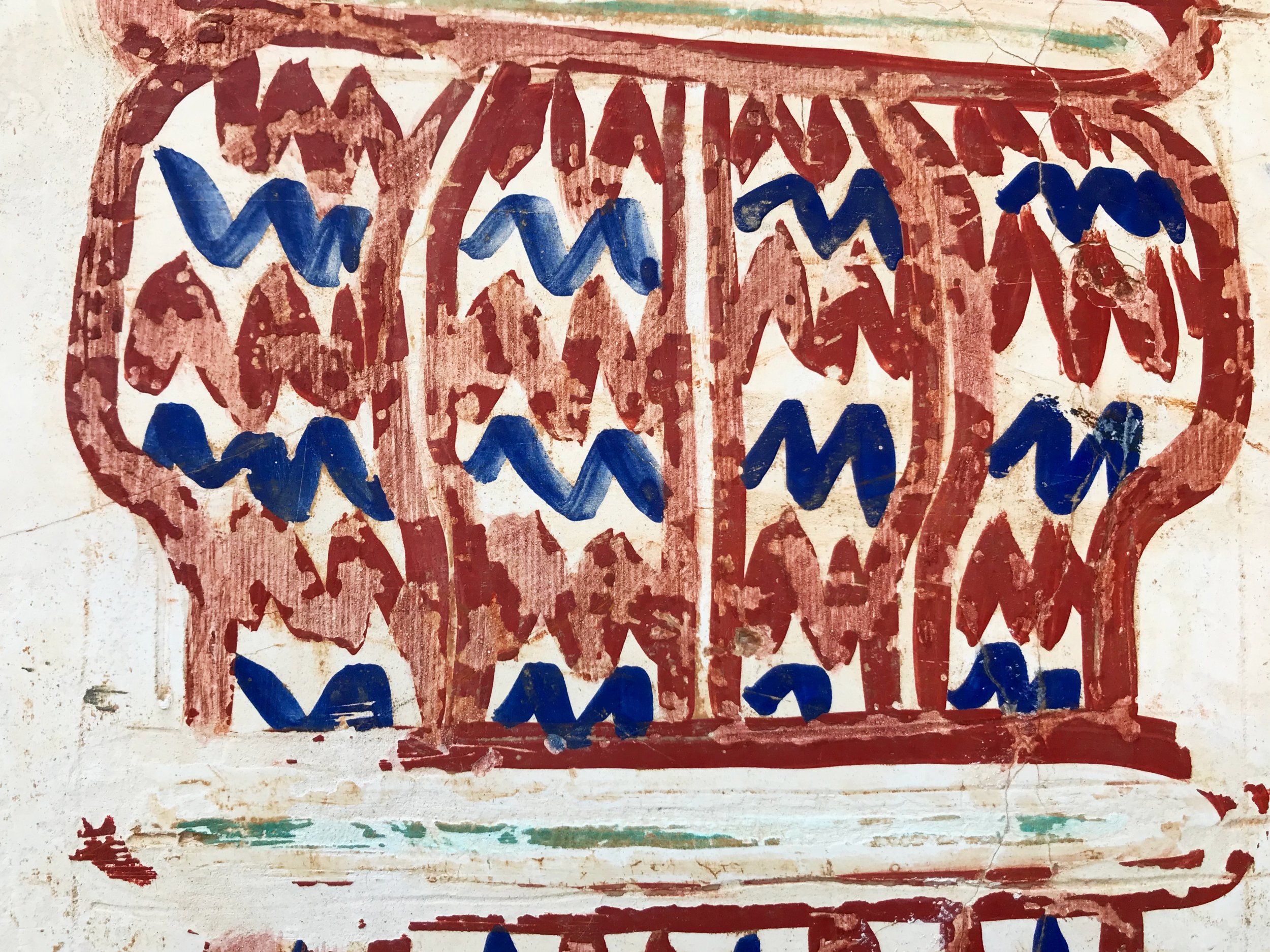
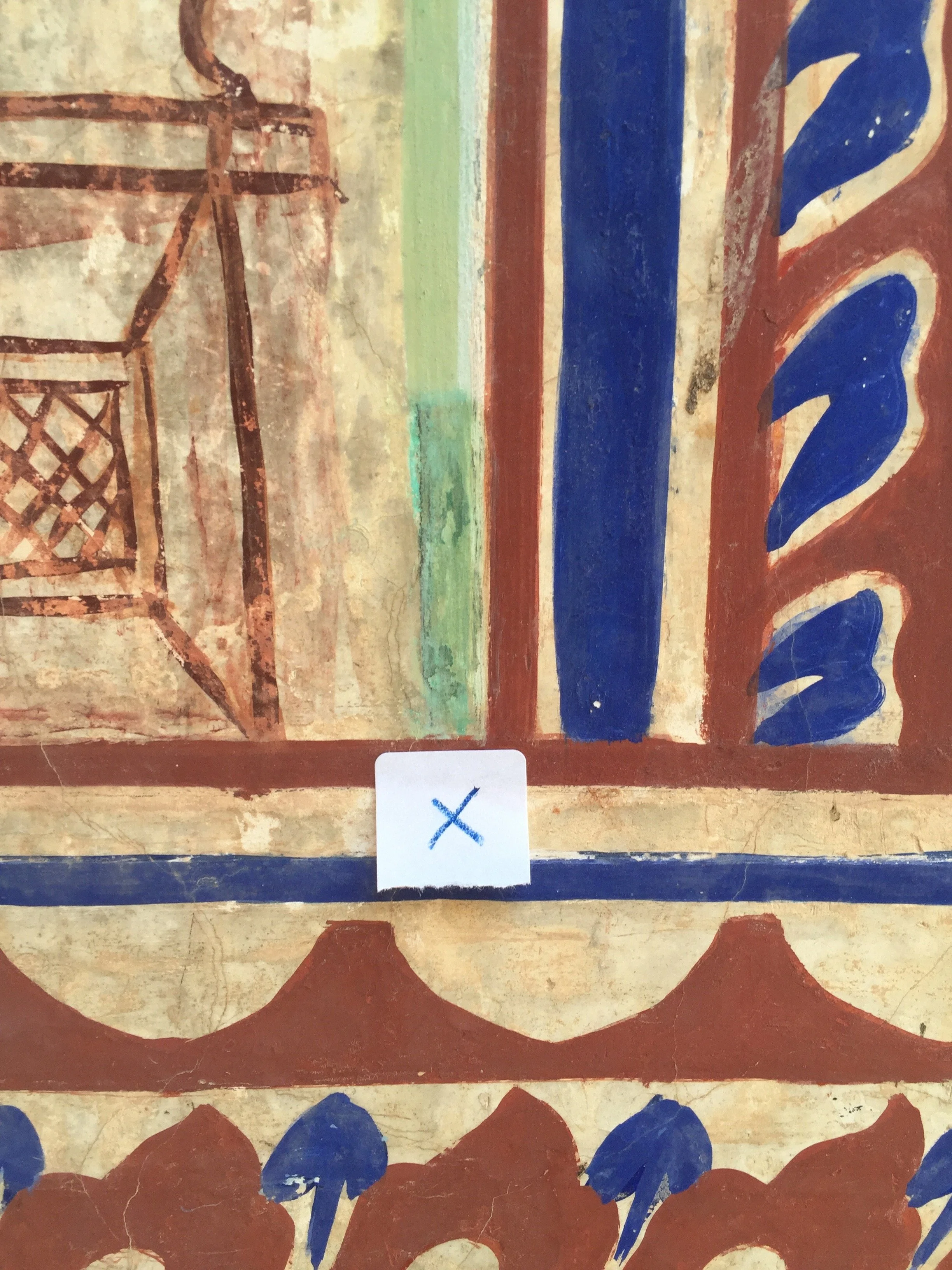
The wall paintings exhibited severe plaster detachment from the stone substrate, swelling mortar, loss of adhesion and cracks, vibration instability, and extensive surface deposits of hard, greyish material strongly bonded to the plaster. Also thick grey-brown accretions and black crust formation in localized areas and a general need of surface and structural consolidation. Material selection and testing were therefore essential components of the treatment strategy. Areas of plaster detachment were stabilized through injection grouting and surface applications using compatible lime-based materials.
Cleaning strategies were selected according to zone-specific conditions. The removal of grey accretions and black crusts required differentiated approaches to ensure preservation of fragile pictorial layers beneath. Paint Layer Consolidation required compatibility with original materials that would not alter chromatic values, withstand extreme climatic fluctuations and seasonal variation typical of the region. Beyond the individual building, the project contributed to safeguarding traditional fresco knowledge and promoting sustainable conservation methodologies in the region.